



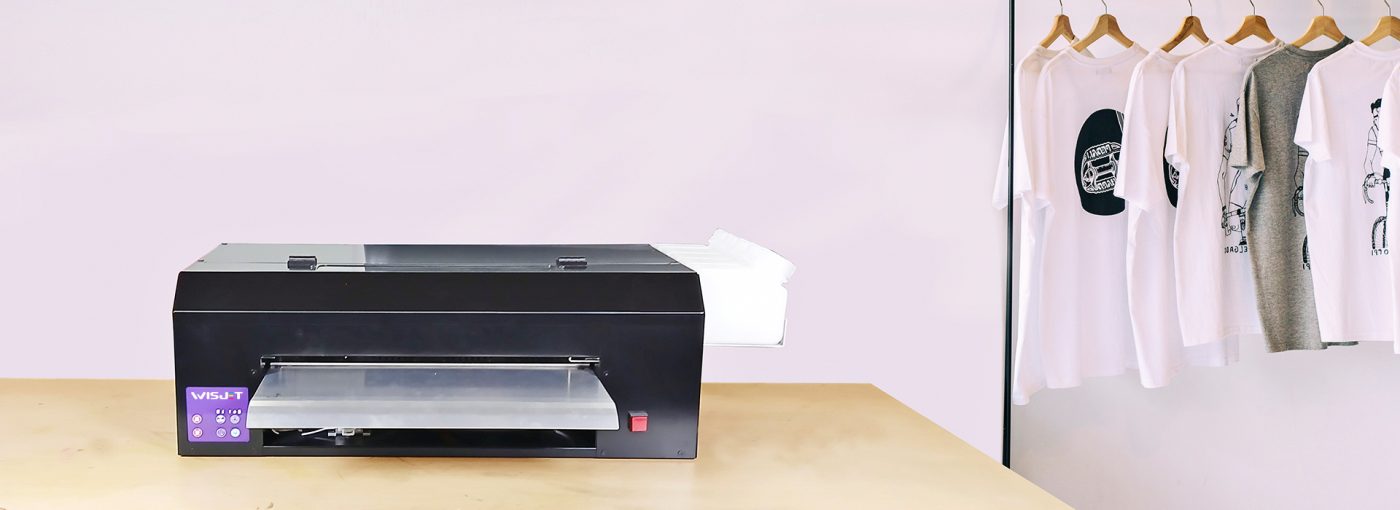
DTF (Direct-to-Film) printing has become the “shining star” in the modern printing industry, opening the door to creative expression on virtually any material. However, in a mass production environment where profit margins are calculated in pennies, the ability to reduce DTF printing production costs is the essence of sophisticated management. This is not just about saving money; it is about optimizing the entire system to transform cost reduction into a sustainable competitive advantage.
We will explore 7 key strategies, divided into three solid pillars, ensuring your business not only survives but thrives.
I. Consumable Management – The Biggest Cost That Needs Controlling
In DTF printing, ink, film, and adhesive powder are not just materials; they are flowing cash. Controlling them is key.
1. The Art of Ink Moderation: Deep, Measured Colors
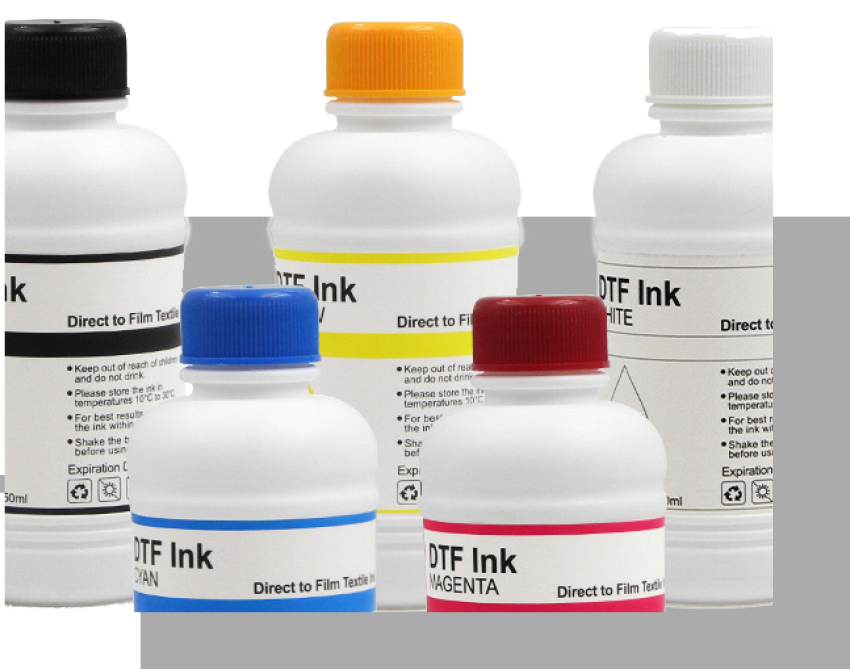
Printing ink, especially white ink, is the “liquid gold” of the DTF process. To control this cost, we need smart software intervention:
- Fine-tuning the RIP Software: Stop Over-printing! Advanced RIP software allows for the adjustment of ink density output. By slightly reducing the overall ink volume (often achieving a 10-15% reduction) while maintaining the necessary color saturation, we are directly turning excess ink into savings.
- Smart White Ink Removal Strategy: White ink is expensive and complex. For designs intended for light-colored fabrics, we can implement a strategy of streamlining or eliminating the white underbase layer. This not only cuts material costs but also significantly reduces maintenance effort, preventing printhead clogs.
2. Maximizing Film Surface and Adhesive Powder Utilization
- Smart Layout Planning: The PET film sheet should not have any wasted space. Use automatic nesting algorithms to “squeeze” designs into the smallest gaps, maximizing the utilized area of each film roll. Every utilized centimeter of film is a cost preserved.
- Optimal Powder Glue Dosing: Adhesive powder must be applied sufficiently, not excessively. Excess glue is not only a material waste but also causes contamination and can affect machinery. Automated powder application systems with precise sensors ensure perfect dosing, guaranteeing maximum adhesion at minimal cost.
II. Operational Efficiency – Turning Downtime into Productivity
Labor costs and opportunity costs from machine downtime are silent profit “thieves.”
3. Preventive Maintenance: Insurance for the Printhead
The printhead is the fragile and expensive heart of the DTF machine.
- Cleaning Discipline: Establish a strict printhead cleaning schedule, including both routine cleaning and proactive maintenance. Crucially, maintaining ideal humidity (40% to 60%) in the printing environment is mandatory to prevent white ink from drying out and clogging.
- Reducing Downtime: Every minute the machine is down due to breakdown or clogging is a minute of lost money. Preventive maintenance ensures the printer runs smoothly, eliminating expensive repair costs and ensuring continuous productivity.
4. Speed Optimization DTF: Balancing Pace and Reliability
Pursuing the absolute highest print speed can be counterproductive, leading to spraying errors and requiring re-prints.
- Finding the Sweet Spot: Businesses need to identify the optimal “balance point” between printing speed and the lowest error rate. This is the speed that yields the highest output with the least material waste.
- Investing in People: Highly trained staff specializing in operation techniques—from file alignment and color management to basic troubleshooting—will be the key factor in minimizing random operational errors and material waste due to inexperience.
III. Process Management – Eliminating Hidden Costs
Hidden costs often lie in inconsistency and a high error rate.
5. Color Standardization: Printing Right the First Time
Having to print repeatedly to “match the color” of an old sample is a tremendous waste.
- Color Management SOP: Establish a Standard Operating Procedure (SOP) for color management based on precisely calibrated color profiles for each type of ink and film. This ensures that the color printed the first time meets the standard, eliminating costly print-and-test loops.
- Input Material Quality Control: Substandard film and powder glue can cause peeling or color fading during heat transfer. Strict quality control of input materials right from the supplier will help avoid wasting entire printed batches.
6. Analyzing Loss and Waste
- Error Classification: Build a system for logging and classifying errors clearly (e.g., machine error, staff error, material error). Focus resources on addressing the largest and most frequent causes of waste. Only by clearly understanding the cause can we patch the cost leaks.
7. Optimizing Energy and the Production Line DTF
- Optimized Curing/Drying: Adjust the temperature and drying time just enough. Over-curing not only consumes electricity but also risks reducing the quality of the adhesive.
- Smart Floor Plan Layout: Arrange the printer, powder shaker, and heat press in a linear workflow. This minimizes movement, saves time, and increases overall labor efficiency.
Reducing DTF printing production costs is a continuous journey that requires a harmonious blend of precise technology, standardized processes, and a skilled workforce. By implementing these 7 strategies, you will not only lower costs but also solidify your quality reputation, creating sustainable profits for the future.